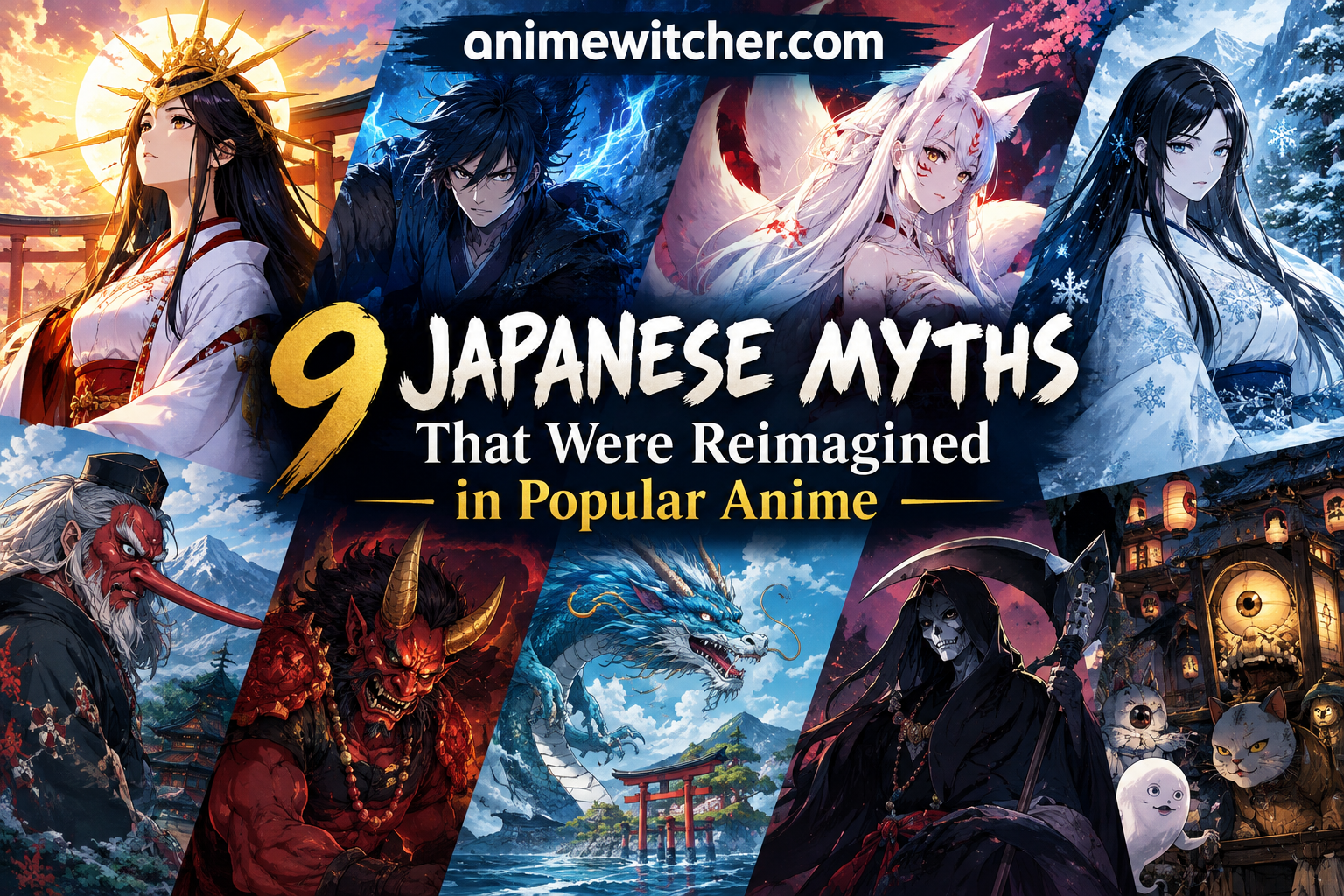
Japanese mythology has been connected with stories, traditions, spirits, and legends for centuries. Many of these old stories have continued to influence modern Japanese entertainment. As a result, several anime series have borrowed ideas from ancient gods, mysterious creatures, sacred objects, and traditional legends.
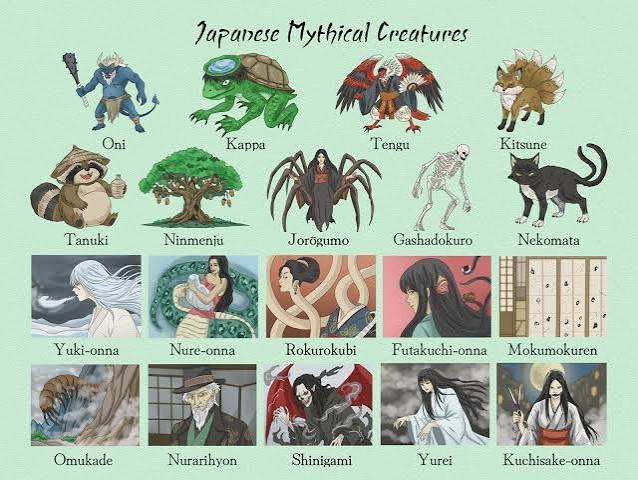
The connection between Japanese Myths in Anime is especially interesting because anime creators often change old legends instead of simply copying them. A traditional spirit may be turned into a powerful character, while an ancient god may become part of a completely new fantasy world.
Because of this creative approach, viewers can enjoy exciting stories while also discovering parts of Japanese folklore. Some references are obvious, while others are hidden inside character designs, names, locations, and supernatural abilities.
In this article, nine fascinating examples of Japanese Myths in Anime will be explored. The original legends will also be explained in simple language so that their connection with anime can be understood more clearly.
Table of Contents
- Japanese Myths and Modern Anime
- Amaterasu and the Sun Goddess
- Susanoo and the Storm God
- Kitsune and the Nine-Tailed Fox
- Yuki-Onna and the Snow Spirit
- Tengu and Mountain Spirits
- Oni and Demonic Creatures
- Japanese Dragons
- Shinigami and Death Spirits
- Yokai and Supernatural Creatures
- Why Anime Uses Japanese Mythology
- Frequently Asked Questions
- Conclusion
Japanese Myths and Modern Anime
Japanese mythology contains stories about gods, spirits, monsters, heroes, and supernatural forces. These stories were passed down through generations and became an important part of Japanese culture.
Anime has provided a modern way for these traditional ideas to be presented to new audiences. Therefore, Japanese Myths in Anime can often be recognized through supernatural characters and symbolic objects.
However, anime adaptations are rarely exact copies of ancient stories. Characters are usually redesigned, personalities are changed, and new plots are created around old concepts.
This creative freedom has allowed mythology to remain interesting for younger audiences. As a result, ancient Japanese legends continue to appear in modern entertainment.
1. Amaterasu and the Sun Goddess
Amaterasu is one of the most important deities in Japanese mythology. She is traditionally known as a powerful sun goddess and is associated with light and the heavenly realm.
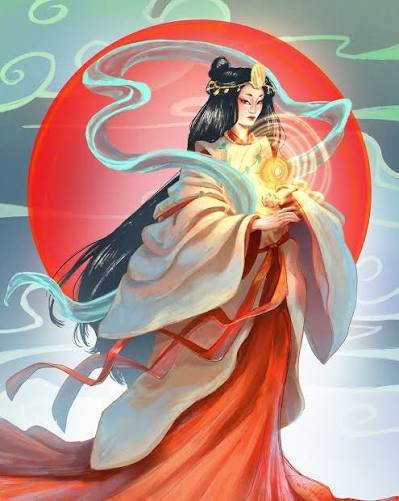
Japanese Myths in Anime One famous myth tells how Amaterasu became upset and hid inside a cave. Darkness then spread across the world. The other gods eventually used clever methods to bring her outside again, allowing light to return.
This story has influenced many Japanese fictional works. References to Amaterasu can appear through characters connected with sunlight, divine power, sacred weapons, or heavenly abilities.
In anime, the name Amaterasu has also been used for powerful techniques and characters. Sometimes the connection is direct, while in other cases only the name or symbolic meaning is borrowed.
This makes Amaterasu an excellent example of how Japanese Myths in Anime can be transformed into modern fantasy concepts.
2. Susanoo and the Storm God
Susanoo is another major figure from Japanese mythology. He is traditionally associated with storms, the sea, and powerful supernatural events.
His story is also connected with Amaterasu. According to traditional mythology, Susanoo’s difficult relationship with his sister contributed to major events in the heavenly world.
Japanese Myths in Anime One of his most famous achievements was defeating the giant serpent Yamata no Orochi. After defeating the creature, a sacred sword was discovered within its body.
Anime creators have repeatedly borrowed the names Susanoo and Yamata no Orochi. Powerful attacks, characters, creatures, and weapons have been given these names because of their mythological associations.
The dramatic nature of Susanoo’s story makes it especially suitable for action anime.
3. Kitsune and the Nine-Tailed Fox
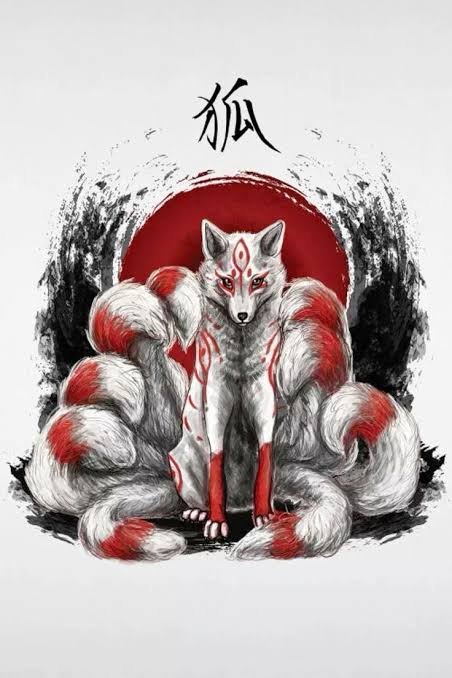
The kitsune is one of the most recognizable creatures in Japanese folklore. Kitsune are fox spirits that are often described as intelligent and capable of supernatural transformations.
According to traditional beliefs, a kitsune can become more powerful as it grows older. Some legends describe extremely powerful fox spirits with many tails.
The nine-tailed fox has therefore become a popular concept in anime and manga.
Japanese Myths in Anime Characters inspired by kitsune may be shown with fox ears, tails, magical abilities, or transformation powers. However, their personalities can vary greatly.
Some are presented as friendly and protective, while others are mysterious or dangerous. This flexibility has made kitsune one of the most frequently adapted examples of Japanese Myths in Anime.
4. Yuki-Onna and the Snow Spirit
Yuki-Onna is a mysterious female spirit associated with snow and winter. Traditional stories describe her appearing during snowy nights or dangerous winter conditions.
Different versions of the legend provide different descriptions. In some stories, she is frightening and dangerous. In others, she is presented as a tragic supernatural figure.
Anime often uses similar ideas when creating characters connected with ice and snow.
Japanese Myths in Anime The visual concept is particularly powerful. White clothing, pale surroundings, frozen landscapes, and supernatural abilities can create an instantly recognizable atmosphere.
Because of this, Yuki-Onna has remained an interesting source of inspiration for anime creators.
5. Tengu and Mountain Spirits
Tengu are supernatural beings traditionally associated with mountains and forests. They have been represented in different forms throughout Japanese folklore.
Some traditional depictions show them with bird-like characteristics, while others have human-like appearances and distinctive long noses.
Tengu are often associated with martial arts, mountains, supernatural powers, and mysterious behavior.
Japanese Myths in Anime These characteristics have made them useful for anime stories involving warriors, spirits, and hidden mountain communities.
Anime adaptations can also change the traditional appearance of Tengu. A creator may use only the basic idea while developing a completely original character.
This shows how Japanese Myths in Anime can serve as starting points rather than strict storytelling rules.
6. Oni and Demonic Creatures
Oni are powerful supernatural beings found throughout Japanese folklore. They are commonly imagined as large, frightening creatures with horns and unusual physical strength.
Traditional stories often describe oni as dangerous beings. They have also become associated with punishment, conflict, and supernatural threats.
Their appearance has become highly recognizable. Horns, large bodies, clubs, and unusual colors are often connected with the traditional image of an oni.
Japanese Myths in Anime Modern anime has used oni-inspired designs in many different ways. Some characters may look frightening but have human personalities, while others may remain dangerous supernatural enemies.
This mixture of traditional appearance and modern character development has helped keep oni relevant in anime culture.
7. Japanese Dragons
Dragons appear in many cultures, but Japanese dragons have their own distinctive traditions. They are often connected with water, rivers, rain, oceans, and supernatural power.
Unlike some Western dragon traditions, Japanese dragons are frequently represented as long, serpent-like creatures rather than giant winged animals.
Anime has used both traditional and modern versions of Japanese dragons. They may appear as ancient creatures, guardians, magical beings, or extremely powerful enemies.
Water-based abilities are also sometimes connected with dragon imagery.
The dragon’s connection with nature makes it useful in fantasy storytelling. At the same time, its ancient cultural background adds additional meaning to an anime character or story.
8. Shinigami and Death Spirits
The term Shinigami is commonly translated as “death god” or “death spirit.” The concept has become extremely popular in modern Japanese entertainment.
However, the modern fictional idea of a Shinigami does not always represent one single traditional mythological figure. Different cultural and literary influences have contributed to the concept.
Japanese Myths in Anime Anime has transformed Shinigami into many different kinds of characters. Some are supernatural workers connected with death, while others are warriors who fight dangerous spirits.
This is one of the clearest examples of how an old supernatural concept can receive a completely new identity.
In some anime, Shinigami characters are serious and mysterious. In others, they may have humor, friendships, personal goals, and complicated emotions.
9. Yokai and Supernatural Creatures
Yokai are among the most important sources of inspiration for Japanese supernatural storytelling. The word can refer broadly to mysterious or supernatural beings and phenomena found in Japanese folklore.
Japanese Myths in Anime There are many different types of yokai. Some are connected with animals, objects, nature, strange events, or human fears.
Anime has used these creatures in countless creative ways. Some yokai are presented as enemies, while others become friends, guardians, or important supporting characters.
This wide variety makes yokai especially valuable for storytelling. Japanese Myths in Anime Almost any strange supernatural idea can potentially be connected with the larger world of Japanese folklore.
For viewers interested in Japanese Myths in Anime, yokai provide one of the largest areas to explore.
Why Anime Uses Japanese Mythology
Japanese Myths in Anime There are several reasons why mythology works so well in anime.
First, mythology already contains memorable characters and creatures. A creator does not always need to invent every supernatural concept from the beginning.
Second, traditional myths provide symbolic meanings. A fox may represent transformation, while a dragon may suggest power or a connection with nature.
Third, mythology helps connect modern stories with Japanese cultural history. Even when a character is heavily redesigned, a small reference can introduce viewers to an older tradition.
Finally, mythology gives anime creators creative freedom. Traditional legends can be changed, expanded, or combined with completely original ideas.
Therefore, Japanese Myths in Anime are not simply old stories being repeated. They are often being rebuilt for modern audiences.
The Difference Between Myth and Anime Adaptation
It is important to remember that an anime version may not be identical to the original folklore.
Traditional Japanese stories have often existed in multiple versions. Their details can differ depending on historical period, region, source, and storyteller.
Anime creators can also change characters for dramatic purposes. A creature that was frightening in an old story may become a hero in a modern series.
Similarly, a traditional god may be transformed into a fictional warrior or magical character.
For this reason, viewers should see anime mythology as an interpretation rather than a complete historical explanation.
Why These Stories Still Matter
Ancient myths continue to attract modern audiences because their themes remain familiar.
Japanese Myths in Anime Stories about friendship, jealousy, courage, transformation, nature, fear, and sacrifice can still be understood today. The supernatural elements simply provide a different way to explore these themes.
Anime makes these ideas visually powerful. Character designs, music, animation, and action scenes can transform a centuries-old concept into something that feels new.
As a result, Japanese Myths in Anime have become an important bridge between traditional folklore and modern entertainment.
Frequently Asked Questions
What are Japanese myths?
Japanese myths are traditional stories involving gods, spirits, supernatural creatures, heroes, and events. Many were preserved through religious and cultural traditions.
Why are Japanese myths popular in anime?
They provide interesting characters, creatures, symbols, and supernatural ideas. Anime creators can also freely reinterpret these concepts for new stories.
Is every anime character based on Japanese mythology?
No. Many anime characters are completely original. Some may only borrow a name, design element, ability, or idea from traditional folklore.
What is a kitsune in Japanese folklore?
A kitsune is a fox spirit associated with intelligence, transformation, and supernatural abilities. Some traditions describe powerful kitsune as having multiple tails.
Are oni real according to Japanese folklore?
Oni are supernatural beings from Japanese folklore. They are traditionally presented as powerful and frightening creatures.
What is a yokai?
Yokai is a broad term used for various supernatural beings and mysterious phenomena in Japanese folklore. Many different creatures can fall under this category.
Is anime a reliable source for learning Japanese mythology?
Anime can introduce people to mythological ideas, but it should not be treated as a complete historical source. Traditional sources may contain different versions of the same legend.
Conclusion
Japanese mythology has provided a huge collection of ideas for modern storytelling. From Amaterasu and Susanoo to kitsune, oni, dragons, Tengu, and yokai, these traditional concepts have been transformed in many creative ways.
The popularity of Japanese Myths in Anime shows how ancient folklore can remain relevant in modern entertainment. Old legends can be redesigned, combined with original characters, and placed inside completely new worlds.
For anime fans, these references can also make familiar stories more interesting. A character, weapon, creature, or supernatural ability may have a much older cultural connection than it first appears.
Most importantly, anime demonstrates that traditional stories do not always have to remain unchanged. They can be reimagined while still keeping pieces of their original identity.
That continuing connection between ancient folklore and modern creativity is one of the most fascinating parts of anime culture.